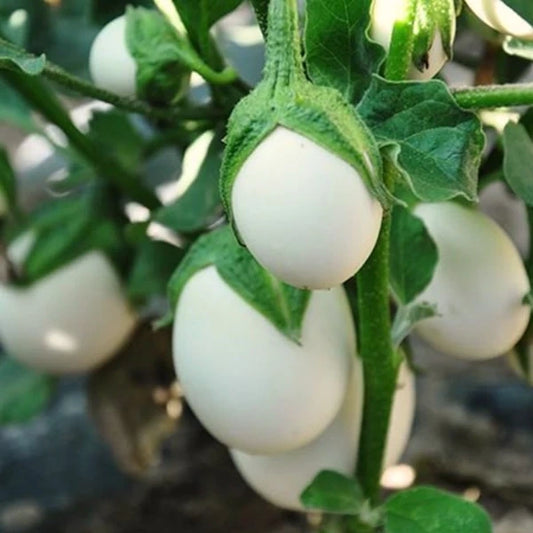
Tomatoes in different colours and shapes, regional bean varieties or cereals with a long history of cultivation show just how diverse cultivated plants can be. Behind these differences are characteristics that have developed over generations through cultivation, selection and continued propagation.
Heritage and traditional varieties: why crop diversity matters

Share
Heritage and traditional varieties preserve part of this genetic and cultural diversity. This article explains what defines them and why their preservation is important for agriculture, plant breeding and the future of our cultivated plants.
What defines heritage and traditional varieties
Heritage and traditional varieties owe their continued existence to people who have repeatedly grown, propagated and passed them on. In doing so, plants were selected for characteristics that proved valuable, such as flavour, ripening time, storability or suitability for local conditions. As a result, every preserved variety also has its own history of cultivation.
Heritage varieties are cultivated varieties with a long history of cultivation whose seed or planting material has been preserved to the present day. Some have remained continuously in cultivation, while others were grown again after a period of interruption. Traditional varieties are particularly defined by their use and passing on over generations. Many varieties are therefore both heritage and traditional.
Landraces are particularly closely linked to their region of origin. They have been grown there over long periods and shaped by local conditions and by the selection made by growers. Within a landrace, the plants are often not completely uniform: they may differ, for example, in growth habit or ripening time. This internal diversity provides scope during continued propagation to select plants with suitable characteristics.
Many traditional varieties propagated from seed are open-pollinated. When propagated correctly and without unwanted cross-pollination, their typical characteristics are maintained over subsequent generations. Some heritage varieties, however, are preserved through tubers, cuttings or grafting.
For saving seed from your own harvest, open-pollinated varieties are particularly important. In F1 hybrids produced through controlled crosses, characteristics segregate in the next generation grown from seed; the typical combination of characteristics of the F1 plant is therefore not reliably maintained.
How open-pollinated varieties differ from F1 hybrids in this respect is explained in the article Open-pollinated varieties and F1 hybrids: differences and seed saving.

Why crop diversity is so important
Crop diversity is particularly evident in different colours, shapes and flavours. However, its true value goes much further: varieties of the same plant species can possess numerous characteristics that are relevant to cultivation, use and plant breeding.

These include, for example:
- ripening time and development period,
- growth habit and yield,
- disease resistance,
- storability,
- response to heat, drought or cold,
- flavour and use.
Many of these characteristics are partly determined by genetics. Preserving each variety can therefore also preserve traits that are absent or expressed differently in other varieties.
This diversity becomes increasingly important as the demands placed on cultivated plants change. New plant diseases, longer periods of drought or rising temperatures can make traits valuable that previously played only a minor role.
Broad genetic diversity therefore provides important material for research and plant breeding. The more diverse characteristics are preserved, the greater the opportunities to further develop cultivated plants and adapt them to new requirements.
Heritage and traditional varieties, as well as landraces, are part of these plant genetic resources. These also include modern varieties, for example from biodynamic breeding, breeding material used to develop new varieties, and wild relatives of our cultivated plants. The key is to preserve as broad a genetic base as possible.
Cultural value of heritage and traditional varieties
Heritage and traditional varieties preserve not only genetic characteristics, but often also a part of regional cultural history and the history of how they were used. Many were passed down over generations within families, communities or particular regions. Along with the seed or planting material, practical knowledge was often passed on as well – for example about cultivation, harvesting, propagation, storage and use.
This also allowed varieties to survive whose particular value lies less in their suitability for standardised commercial markets than in their regional use. These include, for example, varieties suited to particular preparation methods, traditional dishes, specific harvest times or forms of self-sufficiency.

How robustly or productively a variety grows, how it tastes and what nutrient content it develops depend on its genetic makeup as well as on growing conditions and cultivation methods. The value of heritage and traditional varieties lies in the diversity of characteristics, uses and experience that remain available through their preservation.
What can be lost when a variety disappears
Varietal diversity can only be preserved as long as viable seed or other propagation material remains available. If a variety disappears completely, genetic characteristics may be lost with it whose importance may not yet even be known. Genetic erosion refers to the loss of genetic diversity; it can begin even within a plant population that continues to be maintained.
The more varieties and plant populations disappear, the smaller the genetic base available to agriculture, research and plant breeding in the future.
Along with heritage and traditional varieties, regional uses and traditional knowledge can also be lost. Gene banks preserve seed and other propagation material as a reserve. Through cultivation and proper propagation, varieties remain in use and practical experience with them is preserved.
Benjis Seeds therefore focuses on open-pollinated, heritage and traditional varieties. These are complemented by a small number of more recent open-pollinated varieties from biodynamic breeding. Keeping proven varieties available and able to be propagated supports the preservation of a diverse crop base and provides opportunities for self-sufficiency.
A selection of heritage, traditional and open-pollinated varieties is available in the variety catalogue.

In summary
Heritage and traditional varieties preserve an important part of the genetic and cultural diversity of our cultivated plants. They retain different characteristics, uses and knowledge that have developed over generations.
The more broadly this diversity is preserved, the more options remain available to agriculture, research and plant breeding for the further development of our cultivated plants. This is where the long-term value of traditional varieties lies: they keep a wide range of characteristics available for cultivation and use, even as future requirements change.
Discover more traditional diversity
Plants that carry stories